

What makes a smile enhancement look natural rather than obvious? Usually, it is not perfect symmetry or the brightest possible shade. Instead, natural results come from thoughtful proportions, subtle color variation, healthy gums, and a treatment plan designed around the person. For patients considering porcelain veneers in Sandy Springs, careful planning is one of the most important parts of the process.
Porcelain veneers are thin, custom-made restorations bonded to the front surfaces of selected teeth. They can change tooth shape, size, color, or visible alignment while still allowing the final smile to feel like your own. However, veneers are not a universal solution, and they are not the only way to address cosmetic concerns. A personalized evaluation helps determine whether porcelain veneers, whitening, bonding, orthodontic treatment, or a combination of services is appropriate.
Connected Smile Solutions takes a comprehensive and individualized approach to cosmetic dentistry. Therefore, the conversation begins with your goals, oral health, bite, and preferences. The purpose is not to create someone else’s smile. Rather, it is to develop a balanced result that complements your facial features and supports long-term dental health.
What Are Porcelain Veneers?
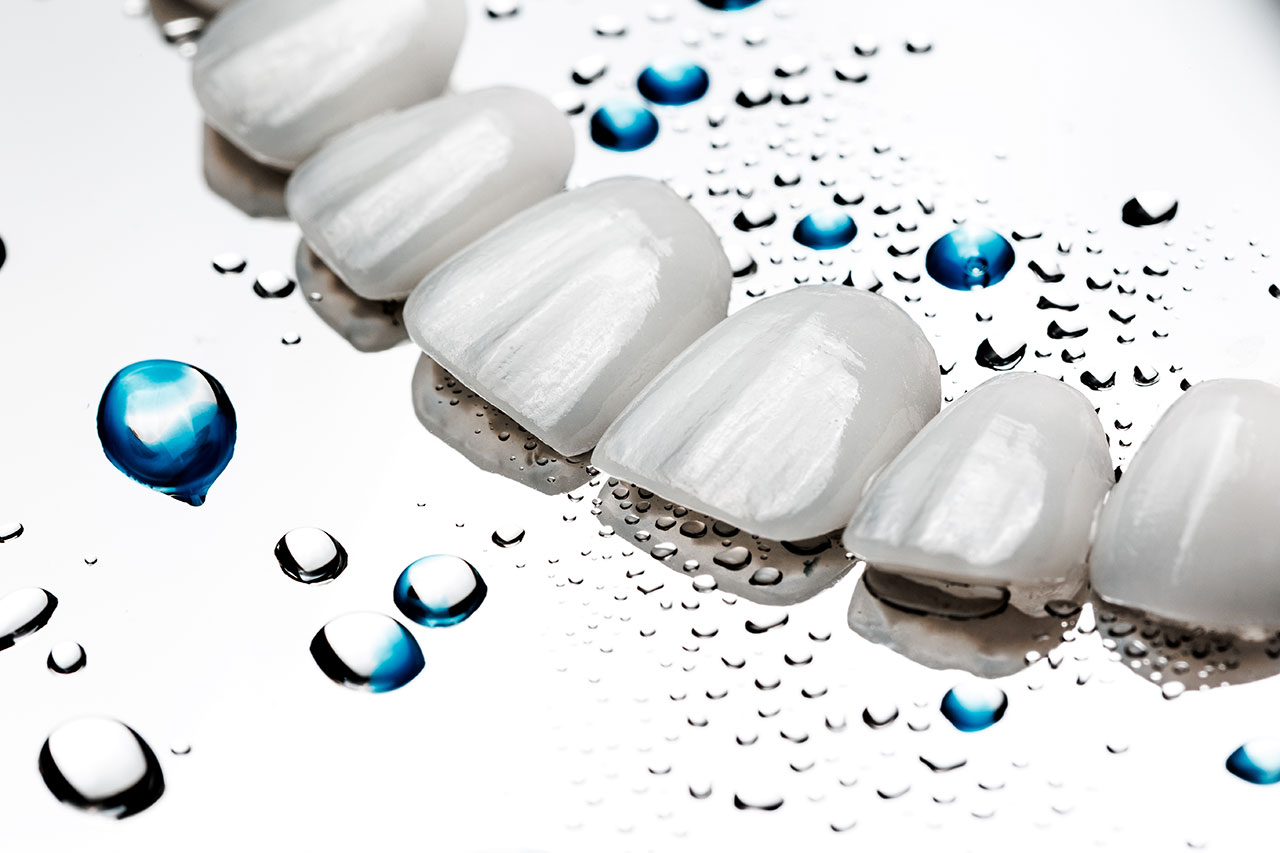
Porcelain veneers are thin shells designed to cover the visible front portion of a tooth. They are commonly used on the teeth that show when you smile. Each veneer is created to fit a specific tooth, and its shape and shade are planned in relation to the surrounding teeth.
Porcelain is often selected because it can reflect light in a way that resembles natural enamel. In addition, it is resistant to many common surface stains. Even so, the outcome depends on more than the material. Tooth preparation, gum health, bite forces, laboratory craftsmanship, and the final bonding process all influence how porcelain veneers look and function.
Veneers are fixed restorations, which means they remain attached to the teeth and are cared for as part of your normal smile. In many cases, a small amount of enamel must be reshaped to create space and a stable bonding surface. Consequently, treatment is generally considered permanent because the prepared teeth will continue to need veneers or another suitable restoration.
What Concerns Can Porcelain Veneers Address?
Porcelain veneers may be considered for several cosmetic concerns. For example, they can improve the appearance of teeth that are chipped, worn, irregularly shaped, or uneven in size. They can also close selected small spaces and create a more consistent color when internal discoloration does not respond predictably to whitening.
In addition, porcelain veneers may make mildly rotated or uneven teeth appear straighter. However, veneers do not move teeth or correct the underlying bite. If alignment is the main concern, invisible braces may be a healthier or more conservative option. Sometimes orthodontic treatment is completed first, which can reduce how much tooth reshaping is needed before veneers.
Veneers also cannot treat active decay or gum disease. Therefore, any health concerns must be addressed before cosmetic treatment begins. Stable gum tissue is especially important because the gumline frames the veneers and affects the final appearance.
Who May Be a Good Candidate for Porcelain Veneers?
A good candidate typically has healthy teeth and gums, realistic expectations, and enough enamel for reliable bonding. The teeth should also be free from untreated decay, and any existing gum inflammation should be controlled. Furthermore, the bite must be evaluated to determine whether the veneers would face excessive pressure.
People who clench or grind their teeth may still be candidates, but the risk of chipping or fracture must be discussed. A protective night guard may be recommended after treatment. Meanwhile, patients with significant tooth damage, very large fillings, or limited remaining enamel may need crowns rather than veneers.
Personal preferences matter as well. Some patients want a very subtle refinement, while others want to change several visible features. During a consultation, it helps to describe what you like about your current smile and what you would prefer to change. Photos can be useful for communicating general preferences, but your final design should be tailored to your own face and teeth.
How Natural-Looking Veneers Are Designed
Tooth Proportions
Teeth that are too long, too square, or too uniform can look unnatural. Therefore, veneer design considers the width and length of each tooth, the curve of the smile, and the way the front teeth relate to the lips. Small differences between neighboring teeth often help the result look more authentic.
Shade and Translucency
Natural teeth are not one flat color. They have layers, highlights, and subtle changes in translucency. Porcelain veneers can be customized to reproduce these qualities. Although a brighter shade may be desired, the shade should still work with the whites of the eyes, skin tone, existing teeth, and overall treatment plan.
If only a few teeth will receive veneers, professional teeth whitening may be completed first. This allows the veneers to be matched to the preferred color of the surrounding natural teeth. Whitening after the veneers are placed will not change the porcelain shade.
Surface Texture
Healthy enamel has fine texture that affects how light reflects from the tooth. Consequently, subtle surface details can make porcelain veneers appear more lifelike. The goal is not to add noticeable grooves. Instead, it is to avoid an overly flat, glass-like appearance.
Gumline Harmony
The gumline shapes the visible outline of every tooth. Inflamed, uneven, or receding gums may affect both veneer design and long-term appearance. Therefore, gum health should be stabilized before treatment. Gentle daily cleaning remains important afterward because healthy gums help the veneer margins stay attractive and comfortable.
Your Bite and Daily Function
Porcelain veneers must look good, but they must also function within your bite. The way the upper and lower teeth contact during chewing and jaw movement influences veneer shape and thickness. Careful bite planning can help reduce stress on the edges of the restorations.
Benefits of Porcelain Veneers
- Customized appearance: Porcelain veneers are designed for the shape, color, and proportions of your individual smile.
- Versatile cosmetic improvement: Veneers can address several visible concerns at the same time, including chips, wear, small spaces, and uneven color.
- Natural light reflection: Quality dental porcelain can mimic the translucency and brightness of enamel.
- Resistance to many surface stains: Porcelain is less porous than natural enamel, although surrounding teeth can still change color.
- Fixed restoration: Veneers remain bonded to the teeth and become part of your everyday smile.
- Conservative compared with full crowns: When appropriate, veneers generally cover only the front and selected edges of the tooth rather than the entire visible tooth.
- Personalized confidence: A carefully planned result may help patients feel more comfortable sharing their smile without making them look like a different person.
What to Expect During the Porcelain Veneer Process
The process begins with a cosmetic consultation and dental evaluation. Your dentist examines the teeth, gums, existing restorations, and bite. Photographs, scans, impressions, or X-rays may be used to support planning. In addition, you will discuss the number of teeth involved and whether another service should be completed first.
Planning may include a preview of the proposed shapes. Depending on the case, this can involve a digital design, a model, or a temporary mock-up. A preview can help you communicate preferences before the final porcelain is created. Nevertheless, the exact tools used vary according to the treatment plan.
When the teeth are prepared, the area is numbed as needed for comfort. A conservative amount of enamel may be reshaped. Then, detailed records are taken for the dental laboratory. Temporary veneers may be placed while the final restorations are being made. During this period, you may be advised to avoid very hard or sticky foods.
At the bonding visit, each veneer is evaluated for fit, shape, color, and relationship to the neighboring teeth. Once the design is approved, the teeth and veneers are prepared for bonding. The restorations are then secured, polished, and checked against your bite.
Minor sensitivity may occur for a short time, especially if the teeth react to temperature changes. However, persistent discomfort, a sharp edge, or a bite that feels uneven should be evaluated. Small adjustments can often improve comfort and function.
How Long Do Porcelain Veneers Last?
Porcelain veneers can provide many years of service, but no restoration lasts forever. Their longevity depends on case selection, bonding, bite forces, home care, diet, grinding habits, and accidental trauma. Routine dental examinations allow the veneer margins, gums, and bite to be monitored.
To protect veneers, avoid chewing ice, opening packages with your teeth, or biting hard objects. In addition, do not assume porcelain makes the supporting teeth cavity-proof. Decay can still develop in exposed natural tooth structure or near the veneer margins.
Brush twice daily with a non-abrasive fluoride toothpaste, floss once a day, and attend recommended cleanings. If you grind or clench, wear a protective appliance as directed. These habits support both the veneers and the natural teeth around them.
Porcelain Veneers Compared With Other Cosmetic Options
Porcelain veneers are only one path to a more balanced smile. Tooth-colored bonding can often repair small chips or spaces with little or no enamel removal. Whitening may be enough when color is the main concern. Orthodontic aligners can move teeth into healthier positions. Crowns may be necessary when a tooth needs full coverage because of major structural damage.
Therefore, the most conservative effective option deserves consideration. Sometimes a combination plan provides the best result. For example, whitening may brighten the overall smile, bonding may refine one small area, and porcelain veneers may be used only where they add meaningful value.
Questions Patients Ask About Porcelain Veneers
Do porcelain veneers look bulky?
They should not look bulky when preparation and design are appropriate. The dentist and laboratory plan space, contours, and tooth proportions carefully. However, the amount of preparation needed varies, which is one reason a detailed evaluation is important.
Can veneers stain?
Porcelain resists many surface stains better than natural enamel, but it can still collect plaque and surface buildup. Also, natural teeth around the veneers may darken over time. Professional cleanings and good home care help maintain an even appearance.
Can I get one veneer?
Sometimes one veneer is appropriate, particularly for a single chipped or discolored tooth. Matching one restoration to surrounding natural teeth can be complex, so shade, texture, and translucency require careful planning.
Are porcelain veneers reversible?
Because enamel is commonly reshaped, porcelain veneers are generally not considered reversible. Before proceeding, patients should understand the long-term maintenance and eventual replacement needs associated with treatment.
Design a Smile That Still Looks Like You
Porcelain veneers can refine shape, color, and symmetry while preserving the character that makes your smile personal. The most natural results begin with healthy teeth and gums, realistic goals, and careful attention to proportion, shade, and bite. Connected Smile Solutions offers individualized cosmetic dentistry for patients in Sandy Springs and nearby communities.
To discuss porcelain veneers in Sandy Springs, contact Connected Smile Solutions at (404) 255-7700 to Schedule a Consultation.