

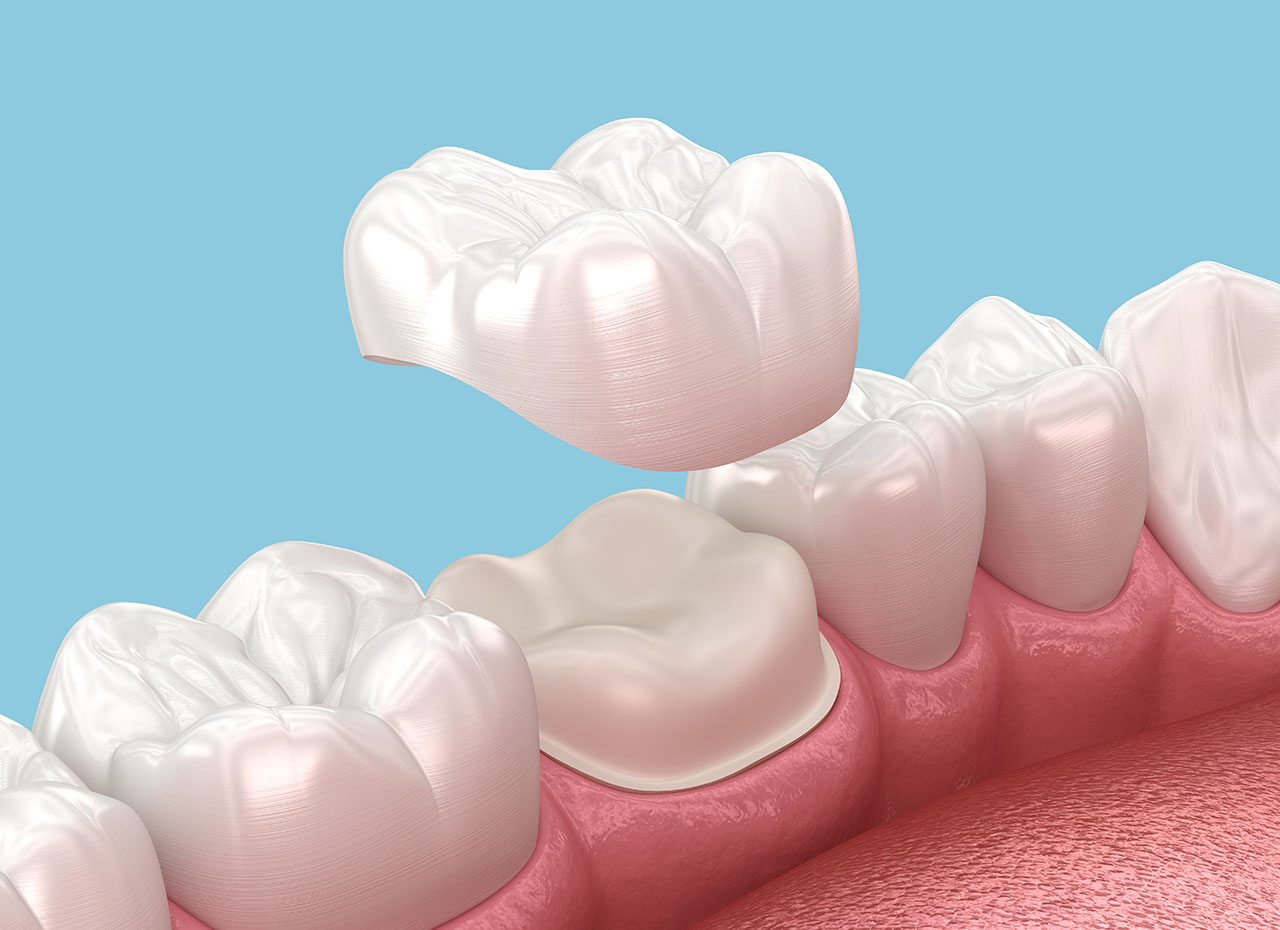
A tooth can look normal while quietly becoming weaker beneath the surface. Perhaps an old filling has started to break down, a small crack has begun to spread, or a tooth that received root canal treatment needs extra support. In situations like these, dental crowns in Sandy Springs may help protect the remaining tooth structure and restore comfortable function.
Dental crowns are custom restorations that cover the visible portion of a tooth. They are designed to strengthen, reshape, and protect teeth that may not be stable enough for a filling alone. However, not every damaged tooth needs a crown. A thoughtful evaluation helps determine whether a dental crown, filling, bonding treatment, or another option makes the most sense for your oral health.
At Connected Smile Solutions, patients receive individualized guidance in a calm, judgment-free setting. Therefore, the goal is not simply to place a restoration. Instead, the goal is to understand what caused the problem, preserve as much healthy tooth structure as possible, and create a plan that fits your comfort, priorities, and long-term needs.
What Is a Dental Crown?
A dental crown is a tooth-shaped covering placed over a prepared tooth. Once secured, it becomes the new outer surface of that tooth above the gumline. A dental crown can restore shape, improve strength, support chewing, and help the treated tooth blend naturally with nearby teeth.
Dental crowns are often made from tooth-colored materials, although the most appropriate material depends on the location of the tooth, the way your bite comes together, your cosmetic goals, and the amount of force the restoration will handle. For example, a crown on a front tooth may require especially careful attention to shade and translucency. Meanwhile, a crown on a back tooth must be designed to withstand strong chewing pressure.
Unlike a removable appliance, a dental crown is fixed in place. You brush and floss around it much like a natural tooth. Nevertheless, the tooth beneath the crown and the surrounding gum tissue still need daily care, because decay and gum disease can develop around the edges of any restoration.
7 Signs You May Need a Dental Crown
1. A Tooth Has a Large Filling
A filling replaces an area of tooth structure that was removed because of decay or damage. When a filling becomes very large, however, the remaining natural walls of the tooth may become thin. Over time, those walls can flex or crack under chewing pressure. A dental crown may be recommended when the remaining tooth needs broader protection than another filling can provide.
This does not mean every old or large filling automatically needs a crown. Instead, your dentist can evaluate the condition of the filling, the amount of healthy tooth remaining, your bite, and whether there are signs of leakage or fracture. In some cases, monitoring is appropriate. In other cases, placing a dental crown before the tooth breaks may help avoid a more complicated problem.
2. You Feel Pain When Biting
Pain when chewing can have several causes, including a cracked tooth, decay, an uneven bite, or inflammation inside the tooth. Therefore, this symptom should be evaluated rather than ignored. A crack may be difficult to see, and discomfort may appear only when you bite in a particular way or release pressure.
If a crack is limited and the tooth can be restored, a dental crown may hold the weakened sections together and reduce stress on the damaged area. However, the proper treatment depends on the depth and direction of the crack. An examination and appropriate imaging help clarify whether a crown is suitable or whether another treatment is needed.
3. A Tooth Is Chipped, Worn, or Fractured
Teeth can lose structure because of an injury, nighttime grinding, clenching, acid exposure, repeated dental work, or years of normal use. Minor chips may respond well to bonding. More substantial damage, however, may require the coverage and support of a dental crown.
A crown can rebuild the missing portion of the tooth and create a more balanced biting surface. In addition, it can protect vulnerable edges from further fracture. Because every bite is different, the restoration must be shaped carefully so it works comfortably with the opposing teeth.
4. The Tooth Has Had Root Canal Treatment
After root canal treatment, a tooth may need a final restoration that seals and protects it. Back teeth often require dental crowns because they absorb significant chewing force and may already have lost tooth structure from decay or previous fillings. A crown can help reduce the risk of the tooth splitting under pressure.
The timing and type of final restoration vary by tooth and clinical situation. Therefore, following the recommended restorative plan is important, even if the tooth no longer hurts. Comfort after root canal treatment does not necessarily mean the tooth is ready to function without added protection.
5. An Existing Crown Feels Loose or Looks Damaged
Dental crowns are durable, but they are not indestructible. A crown may loosen if the dental cement weakens, the tooth beneath it changes, or heavy forces affect the restoration. In addition, porcelain can chip, and decay can sometimes develop near the crown margin.
If a crown moves, catches floss, creates a new odor or taste, or feels different when you bite, schedule an evaluation. Avoid trying to glue it back in place with household products. Prompt care may protect the underlying tooth and make it easier to determine whether the crown can be recemented or should be replaced.
6. One Tooth Looks Noticeably Different
Dental crowns can also address certain cosmetic concerns when the tooth needs structural restoration. For instance, a tooth may be significantly discolored, irregularly shaped, or worn. If a more conservative option is not appropriate, a crown can improve both appearance and function.
Cosmetic goals should always be considered alongside oral health. Therefore, the treatment plan may include a discussion of porcelain veneers, tooth-colored bonding, whitening, or no treatment at all. The best choice is the one that addresses the concern while preserving healthy structure whenever possible.
7. Your Dentist Finds a Weak Area Before It Hurts
Many dental problems do not cause immediate pain. A weakened cusp, recurrent decay, or an early crack may be found during a routine examination. Although it can be surprising to hear that a tooth needs attention when it feels fine, early treatment may be simpler than waiting for a large piece to break.
That said, you should understand why a dental crown is being recommended. Ask to see photographs or X-rays when available, and ask what alternatives exist. A clear explanation allows you to make an informed decision without feeling rushed.
Benefits of Dental Crowns
- Protection for weakened teeth: A dental crown covers vulnerable tooth structure and helps distribute biting pressure more evenly.
- Restored chewing function: Proper shape and contact can make it more comfortable to bite and chew on the treated side.
- Support after major dental work: Dental crowns can protect teeth with large fillings or root canal treatment when additional coverage is needed.
- Natural-looking appearance: Tooth-colored crowns can be designed to coordinate with the shape and shade of nearby teeth.
- Improved tooth shape: A crown can rebuild a tooth that is worn, fractured, or irregularly formed.
- Fixed, convenient restoration: Because the crown stays in place, it functions as part of your everyday smile.
- Long-term value: With good home care, routine dental visits, and protection from damaging habits, a well-made crown can provide years of service.
What Happens During the Dental Crown Process?
The first step is a detailed examination. Your dentist evaluates the tooth, nearby gums, bite, existing restorations, and available imaging. If a dental crown is appropriate, the area is numbed for comfort. Damaged or decayed material is removed, and the tooth is shaped so the crown can fit securely over it.
Next, an impression or digital scan records the prepared tooth and surrounding teeth. This information helps create a crown with the correct contours and bite relationship. Depending on the treatment process, a temporary crown may protect the tooth while the final restoration is being made.
During the placement visit, the temporary restoration is removed, and the final dental crown is checked. Your dentist evaluates the fit, contacts, shade, shape, and bite before securing it. Small adjustments may be made so the crown feels balanced when you close and chew.
It can take a little time to become accustomed to any new restoration. However, the crown should not feel dramatically high or painful. Mild gum tenderness may occur briefly after treatment, but persistent discomfort, pressure, or bite imbalance should be reported so the area can be checked.
How to Care for a Dental Crown
A dental crown does not require a complicated routine. Brush twice daily with a fluoride toothpaste, clean between the teeth each day, and keep regular dental appointments. When flossing around a temporary crown, follow the instructions provided by your dental team. Once the final crown is placed, consistent cleaning around the margins helps protect the supporting tooth and gums.
In addition, avoid using crowned teeth to open packages, bite fingernails, or chew ice. These habits can damage both natural teeth and restorations. If you clench or grind, a custom night guard may be recommended to reduce excessive pressure while you sleep.
Diet also matters. Frequent sugary snacks and drinks can increase the risk of decay near the crown edge. Therefore, drink water regularly, keep sweets with meals when possible, and allow time between snacks. These habits support not only the crowned tooth but also your entire mouth.
Dental Crown Questions Patients Often Ask
Does getting a dental crown hurt?
The tooth is typically numbed during preparation, so you should not feel sharp pain during the procedure. You may notice pressure, vibration, or sounds from the dental instruments. Afterward, temporary sensitivity or gum tenderness can occur. Your dental team can explain what is expected and when to call with concerns.
Can a crowned tooth still get a cavity?
Yes. The crown itself cannot decay, but the natural tooth beneath it can develop decay near the margin. Consequently, brushing, flossing, fluoride exposure, and routine examinations remain important after a dental crown is placed.
How long does a dental crown last?
There is no single lifespan for every crown. Longevity depends on the material, fit, bite, home care, diet, grinding habits, and condition of the supporting tooth. Regular dental visits allow the crown and surrounding tissues to be monitored over time.
What should I do if my temporary crown comes off?
Contact the dental office for guidance. Keep the crown if you can find it, and avoid chewing on that side until the tooth is evaluated. Do not use household glue. The prepared tooth may be sensitive, so prompt professional care is recommended.
Protect Your Smile With a Personalized Plan
A dental crown can be a valuable way to protect a weakened tooth, restore function, and prevent further damage. However, the decision should be based on a careful evaluation and a clear discussion of your options. Connected Smile Solutions provides comprehensive general dentistry for patients in Sandy Springs, Brookhaven, Chamblee, and nearby communities.
To learn whether a dental crown is right for you, contact Connected Smile Solutions at (404) 255-7700 to Book an Appointment at our Sandy Springs office.