

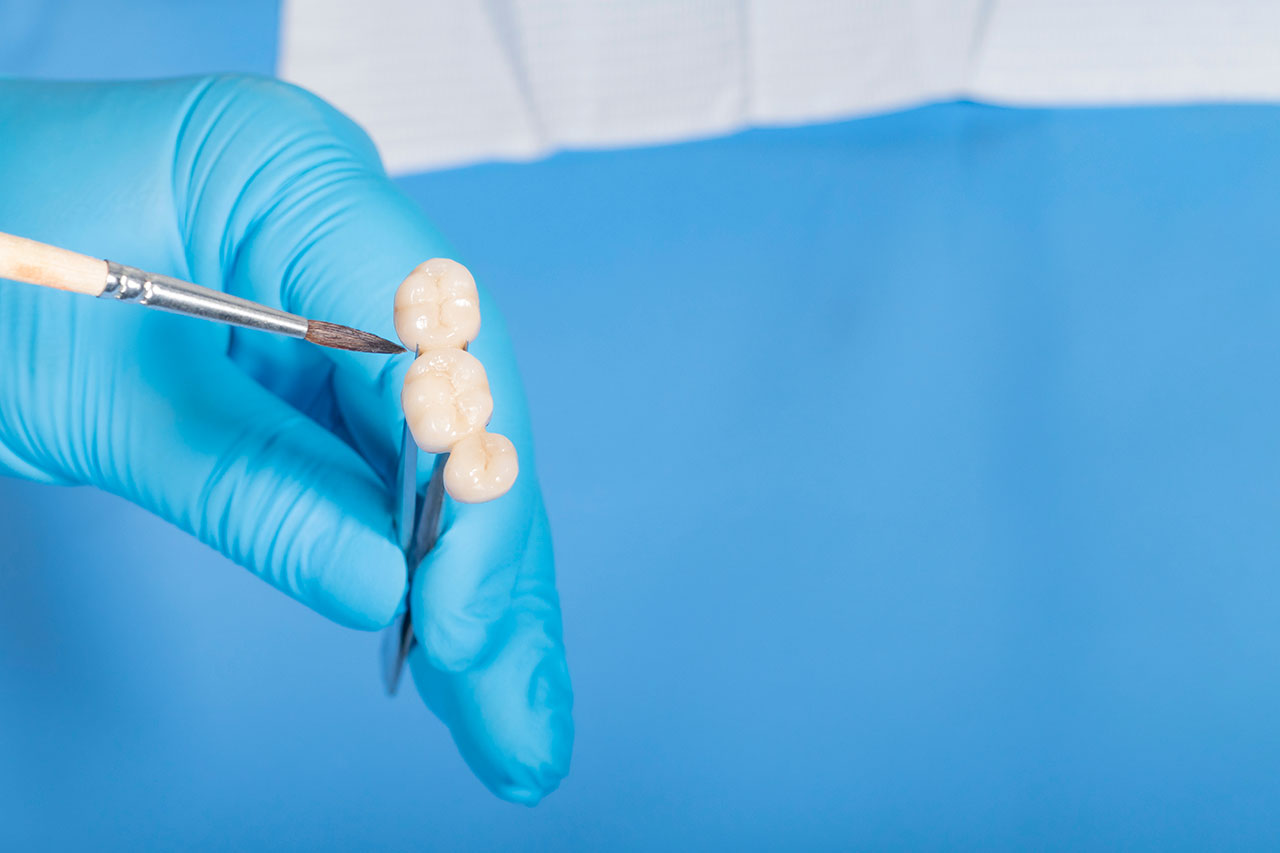
A missing tooth may seem like an isolated space, but the effects can extend to chewing, speech, tooth alignment, and the way biting pressure is distributed. For patients who want a fixed replacement, dental bridges in Sandy Springs may provide a practical solution that does not need to be removed for daily cleaning.
A traditional dental bridge uses the teeth beside a gap to support one or more artificial teeth. However, a bridge is only one possible way to replace missing teeth. Dental implants and removable partial dentures may also be considered. The right choice depends on the condition of nearby teeth, gum health, bone support, bite forces, treatment goals, timing, and budget.
Connected Smile Solutions takes a personalized approach to tooth replacement. Therefore, patients can compare options and understand the long-term care associated with each one. Rather than recommending the same solution for every gap, the dental team evaluates the entire mouth and explains which choices may provide stable, comfortable function.
What Is a Dental Bridge?
A dental bridge is a fixed restoration that fills a space left by one or more missing teeth. The replacement tooth is called a pontic. Depending on the design, the pontic is supported by crowns, bonded wings, dental implants, or another carefully planned structure.
A conventional bridge typically includes a crown on the tooth on each side of the gap. These supporting teeth are known as abutment teeth. The crowns and pontic are connected to create one restoration. Once the bridge is secured, it remains in the mouth during eating, speaking, brushing, and sleeping.
The bridge can be made from tooth-colored ceramics, metal-containing materials, or combinations selected for strength and appearance. The best material depends on the location of the gap, visibility when smiling, the amount of chewing pressure, available space, and the condition of the supporting teeth.
Why Replacing a Missing Tooth May Matter
Some people function comfortably with a missing tooth, especially when the space is toward the back of the mouth. Nevertheless, leaving a gap can create gradual changes. Nearby teeth may lean or rotate into the open area. Meanwhile, the tooth in the opposite arch may move farther into the space because it no longer has normal biting contact.
These changes can make future tooth replacement more complicated. They may also create areas that are harder to clean or alter the way the teeth meet. In addition, chewing may become concentrated on the other side of the mouth.
A missing front tooth can also affect speech and the way air moves during certain sounds. However, every situation is different. Your dentist can explain whether the location of the gap, current bite, and surrounding teeth create a strong reason for replacement.
Types of Dental Bridges
Traditional Dental Bridges
A traditional bridge is supported by crowned teeth on both sides of the gap. It is commonly considered when those neighboring teeth are healthy enough to serve as reliable supports. If they already have large fillings or need crowns, incorporating them into a bridge may address more than one restorative concern.
However, preparing a traditional bridge requires reshaping the supporting teeth. Therefore, the health and long-term outlook of those teeth deserve careful evaluation before treatment begins.
Cantilever Bridges
A cantilever bridge is supported on only one side of the missing tooth. This design is used selectively because the supporting tooth may receive greater leverage. Bite pressure, tooth location, and the length of the replacement area must be considered carefully.
Resin-Bonded Bridges
A resin-bonded bridge, sometimes called a bonded bridge, uses thin wings attached to the back surfaces of nearby teeth. This design may require less tooth preparation than full crowns. It is generally used in selected areas where biting pressure and available enamel allow reliable bonding.
Although the treatment can be conservative, it is not appropriate for every gap. The supporting teeth, bite relationship, and position of the replacement tooth all affect whether the bridge is likely to remain stable.
Implant-Supported Bridges
An implant-supported bridge relies on dental implants rather than natural teeth for support. This approach may replace several neighboring teeth without placing a separate implant for every missing tooth. However, implant treatment involves surgery, healing, adequate bone, and coordination between the surgical and restorative phases.
Who May Be a Candidate for a Dental Bridge?
A candidate for a traditional dental bridge generally needs stable supporting teeth, healthy surrounding gums, and a bite that can accommodate the restoration. The roots and bone around the abutment teeth must be able to handle additional responsibility.
In addition, the space must be examined carefully. If teeth have shifted significantly, there may not be enough room for a properly shaped replacement. Orthodontic treatment may occasionally be considered before the bridge is made.
Active gum disease and untreated cavities should be addressed first. Otherwise, the foundation of the bridge may be compromised. Patients also need to be willing to clean beneath the pontic and around the supporting crowns every day.
Clenching and grinding do not automatically rule out a bridge, but they can place heavy stress on the restoration. Consequently, bite adjustment, material selection, and a protective night guard may become part of the treatment plan.
Benefits of Dental Bridges
- Fixed tooth replacement: A dental bridge remains in the mouth and does not need to be removed during meals or sleep.
- Restored chewing surface: The pontic fills the gap and helps distribute chewing across a broader area.
- Support for tooth position: Filling the space may reduce the opportunity for neighboring teeth to drift into the gap.
- Customized appearance: Tooth-colored materials can be selected to coordinate with nearby teeth.
- Speech support: Replacing a missing front tooth may help with sounds that depend on normal tooth position.
- No implant surgery required: A traditional bridge can provide fixed replacement without surgical implant placement.
- Useful when neighboring teeth need crowns: The bridge may restore supporting teeth that already have large fillings, cracks, or other structural needs.
What Happens During the Dental Bridge Process?
The process begins with an examination of the gap, supporting teeth, gums, and bite. Dental X-rays may help assess roots, bone, existing fillings, and hidden decay. Your dentist will also discuss alternatives so you understand why a dental bridge is or is not being recommended.
For a traditional bridge, the supporting teeth are numbed and reshaped to create room for crowns. Any decay or weak material is removed. If a supporting tooth has significant damage, additional restorative steps may be needed to create a stable foundation.
Next, a digital scan or impression records the prepared teeth and surrounding bite. A temporary bridge is commonly placed while the final restoration is created. The temporary protects the prepared teeth, helps maintain spacing, and provides an early sense of the planned shape.
Temporary bridges require care. Avoid very sticky or hard foods that could loosen or fracture the material. In addition, follow the dental team’s instructions for cleaning around the temporary restoration.
At the placement appointment, the temporary bridge is removed. The permanent dental bridge is checked for fit, shade, contact with neighboring teeth, and bite. After necessary adjustments, it is secured with dental cement or another appropriate bonding method.
It may take a short period to become familiar with the new shape. However, the bridge should not feel dramatically high or painful. Contact the office if it moves, creates persistent pressure, or changes the way your teeth meet.
How to Clean Under a Dental Bridge
Daily cleaning beneath the pontic is essential because an ordinary strand of floss cannot pass down through the connected crowns. Instead, patients may use a floss threader, specialized bridge floss, an interdental brush, or a water flosser. The most effective tool is one you can use consistently and safely.
Guide the cleaning material beneath the replacement tooth and along the sides of the supporting teeth. Remove plaque gently without snapping floss into the gums. In addition, brush the bridge and all remaining teeth twice daily with fluoride toothpaste.
The edge where each crown meets the natural tooth needs special attention. Decay can develop at this margin even though the bridge itself cannot get a cavity. Gum inflammation can also weaken the tissues around the supporting teeth.
Professional cleanings and examinations allow the bridge, gums, and bite to be monitored. If cleaning feels difficult, ask the dental team to demonstrate tools and techniques directly in your mouth.
Dental Bridges Compared With Dental Implants
A dental implant replaces a missing tooth root and supports a separate crown. Therefore, it does not usually require reshaping the neighboring teeth. An implant may also help maintain bone in the area where it is placed.
However, dental implants require a surgical procedure and enough healthy bone. Treatment may include healing time and additional procedures before the final tooth is attached. Health history, smoking, gum condition, and medication use may also affect planning.
A traditional dental bridge generally avoids implant surgery and may be completed in a shorter restorative timeline. It can be especially practical when neighboring teeth already need crowns. On the other hand, those supporting teeth become responsible for the bridge and must be maintained carefully.
Neither option is automatically better for every patient. A personalized comparison should include long-term maintenance, condition of adjacent teeth, anatomy, treatment time, and expected costs.
Dental Bridges Compared With Partial Dentures
A removable partial denture can replace several teeth in different areas of the same arch. It may involve less preparation of the remaining teeth and can be removed for thorough cleaning. In addition, it may provide a more affordable way to replace multiple spaces.
A bridge is fixed and often feels more similar to natural teeth during everyday function. However, it usually replaces a smaller connected area and relies on specific teeth or implants for support. Patients should consider comfort, dexterity, appearance, maintenance, and the number of missing teeth when comparing the two choices.
How Long Does a Dental Bridge Last?
Dental bridge longevity varies. The health of the supporting teeth is often the most important factor. Decay, gum disease, root problems, fracture, or heavy bite forces can shorten the life of the restoration.
Good daily cleaning, regular examinations, and protection from grinding can support long-term function. In addition, avoid using the bridge to crack hard foods, open packages, or chew ice. These habits can damage porcelain and place unnecessary pressure on the supporting teeth.
A bridge should be evaluated if it feels loose, traps food differently, creates an unusual taste, causes discomfort when chewing, or develops a visible chip. Prompt attention may limit further damage and protect the underlying teeth.
Questions Patients Ask About Dental Bridges
Does a dental bridge feel removable?
No. A fixed bridge is secured to teeth or implants and remains in place. You clean around and beneath it, but you do not remove it at home.
Can a bridge replace more than one tooth?
Yes, selected bridges can replace multiple neighboring teeth. However, the number of missing teeth, location, bite forces, and available support influence whether the design is appropriate.
Can teeth under a bridge get cavities?
Yes. The bridge material does not decay, but the supporting natural teeth can develop cavities near the crown edges. Daily cleaning and fluoride exposure remain essential.
Will food get under the bridge?
Small particles and plaque can collect beneath the pontic. Therefore, daily cleaning with bridge floss, a threader, an interdental brush, or another recommended tool is important.
What happens if one supporting tooth fails?
A problem with an abutment tooth may affect the entire bridge. Treatment depends on the type of damage and whether the tooth can be restored. In some situations, the bridge must be removed or replaced.
Replace Your Missing Tooth With a Personalized Plan
A dental bridge can restore a missing tooth with a fixed, customized restoration. However, success depends on healthy support, appropriate design, a balanced bite, and consistent cleaning beneath the replacement tooth. Connected Smile Solutions provides restorative and general dentistry for patients in Sandy Springs, Brookhaven, Chamblee, and surrounding communities.
To find out whether a dental bridge fits your needs, contact Connected Smile Solutions at (404) 255-7700 to Schedule a Consultation at our Sandy Springs office.